
What Makes Pavement Crack and What You Can Do About It
Asphalt cracks form when your pavement weakens under traffic, weather, or poor drainage. Small cracks can often be cleaned and sealed. Larger cracks may need filling or patching. If you ignore them, they grow fast and lead to potholes. Knowing the cause helps you choose the right fix and avoid bigger repairs later.
Common Symptoms You Might Notice
Cracks do not all look the same. The pattern gives clues about what is wrong. Walk your driveway or parking lot and look for these signs:
- Thin, straight cracks running in one direction
- Spiderweb or alligator-like patterns
- Wide gaps with loose edges
- Cracks along the sides of the pavement
- Areas that sink or hold water
Each type points to a different problem below the surface.
Likely Causes of Asphalt Cracks
One of the most common causes is weather. In cold climates, water seeps into tiny openings. When it freezes, it expands and pushes the asphalt apart. In hot weather, asphalt softens and can shift under heavy loads.
Another cause is a weak base. If the soil under the asphalt was not packed well during paving, it will settle over time. This creates stress cracks and uneven spots.
Poor drainage also leads to damage. Standing water breaks down asphalt binder and seeps into the base layer. Heavy vehicles parked in the same spot every day can add extra pressure and cause deep cracks.
Even normal aging plays a role. Asphalt dries out as it gets older. It loses flexibility and becomes brittle. Once that happens, even small movement can create cracks.
What to Check First
Before starting any asphalt crack repair, take a close look at the area.
- Measure the width and depth of the crack
- Check if water is pooling nearby
- Look for soft or crumbling edges
- Notice if cracks are spreading across a large section
Hairline cracks under a quarter inch wide are often surface issues. Wide cracks or alligator patterns may mean the base layer has failed. In that case, simple sealing will not last long.
Safe Fixes Vs Pro-Level Fixes
Small cracks can often be fixed with basic tools. Clean out dirt and weeds with a wire brush or air blower. Fill the crack with a quality crack filler made for asphalt surfaces. Smooth it out and allow time to cure. This type of asphalt crack repair helps keep water out and slows future damage.
Medium cracks may need a routing tool to widen and shape the crack before filling. This helps the filler bond better. For wide or deep cracks, hot rubberized sealant usually works better than cold pour products.
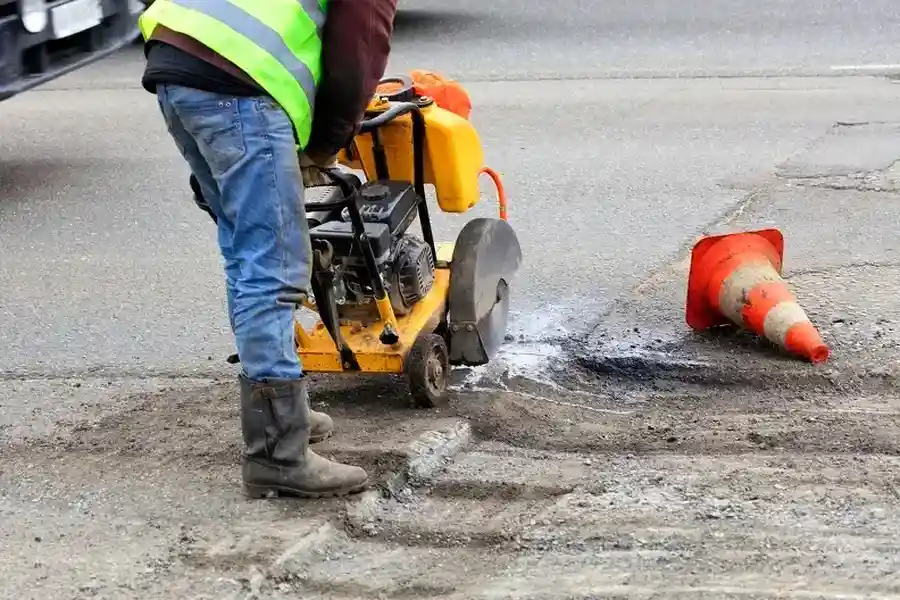
Alligator cracking or sunken sections call for more than just filling. The damaged asphalt must be cut out and replaced. This is part of larger asphalt services that focus on restoring the base and surface layers. Trying to seal over structural damage will only waste time and money.
Prevention Tips to Extend Pavement Life
You can lower the risk of cracks with simple care. Regular maintenance keeps small problems from turning into costly repairs.
- Sealcoat every few years to protect from sun and moisture
- Keep drains and edges clear of debris
- Fix small cracks early
- Avoid parking heavy equipment in the same spot
- Check for drainage problems after heavy rain
Sealcoating adds a protective layer that slows oxidation. It also improves the look of your surface. When paired with timely asphalt crack repair, it can add many years to your pavement.
When to Call for Professional Help
If cracks cover a large area or keep coming back, it is time for expert help. A professional can check the base, soil condition, and drainage. They can tell you if repairs are enough or if resurfacing makes more sense.
Large parking lots, commercial spaces, and high-traffic driveways often need more than store-bought fillers. A crew with proper tools can complete repairs faster and with longer-lasting results.
Get Reliable Help for Your Pavement
If you see cracks forming around your property in Perris, CA, do not wait for them to spread. At Elite Paving, we handle asphalt crack repair and other pavement services with care and attention to detail. We use the right materials for each type of damage and focus on long-term results. Call us at (951) 335-5988 to schedule an inspection and let us help protect your pavement before small cracks turn into major problems.